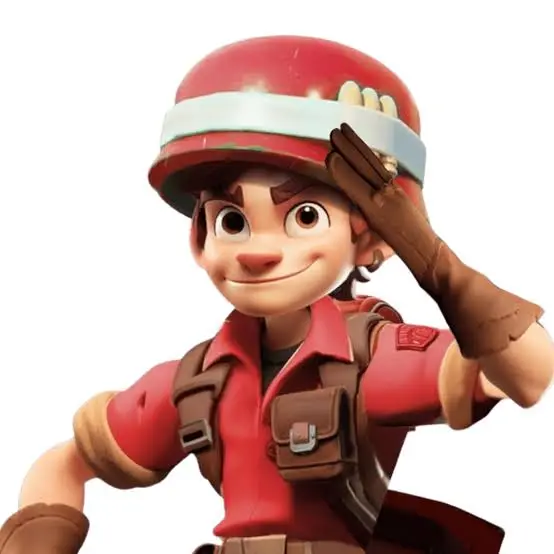
Loki is an SR Tank defense hero in Last War Survival who deals Physical Damage. His skill set combines a regular shotgun attack with a Tactics skill that damages multiple frontline enemies.
Loki is mainly useful during early progression, when players may not have enough developed SSR or UR heroes to complete their formation. His Defense specialty allows him to temporarily occupy a frontline position, while Grapeshot Burst helps pressure several enemy defenders.
However, Loki has limited long-term potential because of his SR rarity and simple skill set. He does not provide healing, shielding, crowd control, or strong team-wide bonuses, so he is usually replaced as stronger Tank heroes become available.
This Last War Survival Loki guide covers his skills, gear priority, recommended formations, best uses, strengths, weaknesses, and whether he is worth upgrading.
Loki Overview
Loki is an SR hero with the Tank vehicle type and Defense specialty. He deals Physical Damage and is primarily designed to help protect the formation during early progression.
| Detail | Loki Information |
|---|---|
| Hero | Loki |
| Codename | Blazing Shooter |
| Rarity | SR |
| Vehicle Type | Tank |
| Specialty | Defense |
| Damage Type | Physical Damage |
| Recommended Position | Front Row |
| Main Strength | Multi-target frontline damage |
| Best Stage | Early game |
| Best Content | Campaign and multi-enemy PvE battles |
| Long-Term Priority | Low |
| Formation Role | Temporary frontline defender |
At Level 50, Loki’s listed base stats are approximately 1,600 Attack, 35,400 HP, 278 Defense, and 193 March Size. Actual values can vary depending on hero level, star level, buildings, research, decorations, gear, and other account bonuses.
What Role Does Loki Play?
Loki serves as an early-game frontline hero.
His Defense specialty suggests that he should help absorb attacks, but his skills are more offensive than defensive. Shotgun provides regular Physical Damage, while Grapeshot Burst attacks multiple front-row enemies.
Loki can help when a new account needs:
- A temporary frontline hero
- Another Tank hero for formation bonuses
- Damage against multiple frontline enemies
- A placeholder before stronger defenders are unlocked
- A low-cost hero for a secondary squad
Loki should ideally stand beside a stronger defensive hero. His kit does not include personal damage reduction, shields, healing, or a major Defense increase, so he may struggle when expected to protect the entire formation alone.
Is Loki a Defender or Damage Dealer?
Loki has the Defense specialty, but his active skills focus on dealing damage.
| Role Area | Loki’s Value |
| Frontline durability | Moderate during early progression |
| Personal damage | Moderate for an SR hero |
| Multi-target damage | Useful against frontline groups |
| Team-wide protection | None |
| Healing or shielding | None |
| Crowd control | None |
| Long-term scaling | Low |
This makes Loki a hybrid early-game hero. He can occupy the front row, but he does not provide the defensive utility of stronger heroes such as Murphy, Williams, Scarlett, or Violet.
Players should treat Loki as a temporary defender who contributes damage rather than a permanent frontline tank.
Is Loki a Tank or Missile Hero?
Loki belongs to the Tank vehicle type.
This means he contributes toward Tank formation bonuses and benefits from Tank-related buildings, research, and bonuses. He should not be treated as a Missile or Aircraft hero when planning same-type formations.
His use of a shotgun does not change his vehicle classification.
How Long Is Loki Useful?
Loki is primarily useful during the beginning of Last War Survival.
| Progression Stage | Loki’s General Role |
| Early game | Frontline defender |
| Early campaign | Multi-target damage support |
| Developing Tank squad | Temporary formation filler |
| Mid-game | Secondary squad hero |
| Developed roster | Low-priority replacement |
| Late game | Rarely used in the main squad |
A highly developed Loki may temporarily outperform a newly unlocked hero with no levels, stars, skills, or gear. However, his lower SR stats eventually make it difficult for him to compete with developed SSR and UR heroes.
Loki Skills
Loki has three main skills. His kit includes a regular Physical Damage attack, a multi-target Tactics skill, and a passive Expertise skill that improves his personal stats.
| Skill | Type | General Effect |
| Shotgun | Auto Attack | Deals Physical Damage to one enemy |
| Grapeshot Burst | Tactics | Damages multiple front-row enemies |
| Field Combat | Expertise | Increases Loki’s HP, Attack, and Defense |
Exact skill values may vary depending on star level, game version, server progression, and future balance updates.
Shotgun

Shotgun is Loki’s normal attack.
At its listed base value, Loki fires once and deals Physical Damage equal to 69.80% of his Attack. The skill has a cooldown of approximately 1.35 seconds.
| Upgrade Stage | Additional Damage |
| First upgrade | 15% |
| Second upgrade | 30% |
| Third upgrade | 50% |
| Fourth upgrade | 75% |
| Fifth upgrade | 100% |
Shotgun provides steady damage between Grapeshot Burst activations.
Because its damage scales from Loki’s Attack, it benefits from:
- Hero levels
- Star upgrades
- Tank Center bonuses
- Research
- Cannon or Turret equipment
- Field Combat
- Decorations and other Attack bonuses
Shotgun only damages one target. Its purpose is to provide consistent damage rather than clear several enemies at once.
Is Shotgun Worth Upgrading?
Shotgun is worth upgrading while Loki remains in the main formation, but it should not normally receive the first skill resources.
Grapeshot Burst provides more useful multi-target damage and defines Loki’s offensive role. Players with limited resources should improve the Tactics skill first.
Upgrade Shotgun when:
- Grapeshot Burst has reached a practical milestone.
- Loki remains in an active formation.
- The upgrade cost is still low.
- Additional regular damage will help clear current stages.
- Stronger long-term heroes do not need the same resources.
Stop investing once Loki moves to a secondary squad or is close to being replaced.
Grapeshot Burst
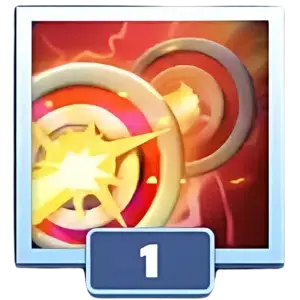
Grapeshot Burst is Loki’s main Tactics skill.
At its listed base value, the skill prioritizes up to two front-row enemies and deals Physical Damage equal to 181.40% of Loki’s Attack to each target. It has a cooldown of approximately 10 seconds.
| Upgrade Stage | Improvement |
| Base effect | Attacks up to two frontline enemies |
| First upgrade | Deals 15% additional damage |
| Second upgrade | Adds one more target but reduces damage dealt |
| Third upgrade | Additional damage increases to 30% |
| Fourth upgrade | Additional damage increases to 50% |
| Fifth upgrade | Additional damage increases to 75% |
The additional target becomes useful in battles with three frontline enemies. However, the damage reduction connected to the extra target can lower Loki’s performance against one or two important targets.
Why Grapeshot Burst Matters
Grapeshot Burst gives Loki his main advantage over a basic single-target hero.
The skill can:
- Damage several frontline enemies
- Pressure multiple defenders
- Help finish weakened units
- Support campaign wave clearing
- Create opportunities for stronger back-row attackers
Its frontline targeting is also more predictable than a fully random attack. Loki generally directs the skill toward enemies protecting the opposing back row.
When Is Grapeshot Burst Most Effective?
Grapeshot Burst performs best when:
- The enemy uses multiple frontline units.
- Loki survives long enough to activate it repeatedly.
- The squad needs help breaking the frontline.
- Other attackers can finish damaged targets.
- Loki has enough Attack to make each hit useful.
It is less effective when fighting a single durable enemy. Against bosses, Loki loses the advantage of damaging several targets.
Does Grapeshot Burst Provide Crowd Control?
Grapeshot Burst is a damage skill.
Its listed effect does not include a stun, silence, confusion, debuff, or other crowd-control effect. Loki should therefore be evaluated as a straightforward damage-focused defender rather than a control hero.
Field Combat

Field Combat is Loki’s Expertise skill.
It increases his HP, Attack, and Defense by 5%.
| Stat | Listed Bonus |
| HP | +5% |
| Attack | +5% |
| Defense | +5% |
The HP and Defense bonuses help Loki survive on the front row. The Attack bonus improves both Shotgun and Grapeshot Burst.
Field Combat is useful because it supports both parts of Loki’s role. He becomes slightly more durable while also dealing more damage.
However, the effect only applies to Loki. It does not increase the stats of other Tank heroes or provide a formation-wide buff.
How Valuable Is Field Combat?
Field Combat is a useful general improvement, but its 5% bonuses are relatively modest.
It becomes more valuable when Loki already has:
- Higher hero levels
- Developed Tank research
- Better equipment
- Several star upgrades
- Tank Center bonuses
- Strong base stats from other systems
Percentage bonuses become more effective as the underlying stats increase. However, Loki’s SR rarity still limits his long-term ceiling.
Best Loki Skill Upgrade Priority
Loki’s skill priority should focus on Grapeshot Burst.
General Skill Priority
| Priority | Skill | Reason |
| 1 | Grapeshot Burst | Provides Loki’s main multi-target damage |
| 2 | Field Combat | Improves HP, Attack, and Defense |
| 3 | Shotgun | Adds regular single-target damage |
Grapeshot Burst should normally receive the highest priority because it provides the largest improvement to Loki’s battle contribution.
Field Combat is the second priority when Loki is being used on the front row. Its HP and Defense bonuses improve his ability to survive until the next Tactics activation.
Multi-Enemy Skill Priority
For campaign stages containing several enemies:
- Grapeshot Burst
- Shotgun
- Field Combat
Grapeshot Burst provides the most direct value against multiple frontline units.
Shotgun can be upgraded second when Loki already survives comfortably and the formation needs more damage.
Frontline Survival Priority
When Loki is being defeated too quickly:
- Field Combat
- Grapeshot Burst
- Shotgun
The additional HP and Defense may help him survive longer. However, skill upgrades alone will not turn Loki into a permanent defensive hero.
Also consider:
- Improving his Armor or Radar
- Pairing him with a stronger defender
- Upgrading Tank research
- Moving him to the safer frontline slot
- Replacing him with an SSR or UR defender
Single-Target Skill Priority
For battles against one enemy:
- Shotgun
- Field Combat
- Grapeshot Burst
Grapeshot Burst still deals damage, but its main advantage is hitting multiple targets. Regular attacks and general stats become relatively more important in single-target combat.
Even with this priority, Loki is not an ideal boss specialist. Dedicated attackers with monster or single-target bonuses will normally perform better.
How Much Should You Invest in Loki’s Skills?
| Loki’s Current Role | Recommended Investment |
| Main early-game defender | Low to moderate |
| Campaign progression hero | Upgrade Grapeshot Burst |
| Temporary Tank formation filler | Use practical milestones |
| Secondary squad hero | Minimal additional investment |
| Replaced in the main squad | Stop upgrading |
| Mid-to-late-game filler | Use existing development only |
Loki does not need every skill fully upgraded.
Skill resources become more valuable as stronger heroes join the roster. Improve Loki enough to support immediate progression, then redirect future resources toward long-term SSR and UR heroes.
Best Gear for Loki
Loki needs a balance of offensive and defensive equipment.
His skills scale with Attack, but his Defense specialty and frontline position mean he also needs enough HP and protection to survive.
| Gear Slot | Priority | Main Purpose |
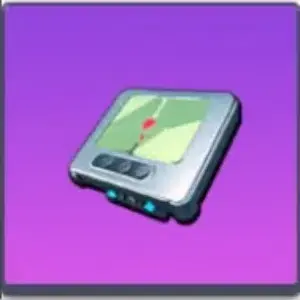
| Radar | 1 | Improves protection against Energy and skill damage |
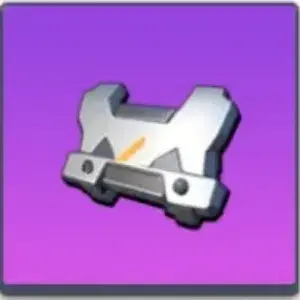
| Armor | 2 | Adds HP and physical durability |
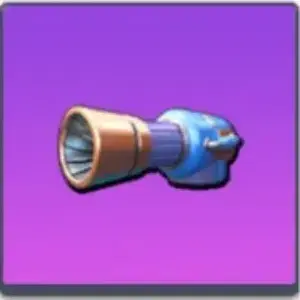
| Cannon or Turret | 3 | Increases Attack and skill damage |
| Data Chip | 4 | Provides additional general stats |
Players who use Loki in the back row can prioritize the Cannon and Data Chip earlier. Frontline Loki should normally focus on survival.
Early-Game Gear
Loki can use M3 equipment during early progression.
| Early Gear | Recommendation |
|
M3 Radar |
Useful for basic frontline protection |
|
M3 Armor |
Adds survivability |
|
M3 Turret |
Improves Shotgun and Grapeshot Burst |
|
M3 Data Chip |
Lowest priority; equip a spare piece |
M3 equipment is temporary. Equip the pieces for their base stats, but avoid spending significant Upgrade Ore on them.
Should You Upgrade Loki’s M3 Gear?
Loki’s M3 gear should normally remain at Level 0.
Blue gear is replaced quickly, while Upgrade Ore is needed for more valuable Epic and Legendary equipment. Investing heavily in early gear can slow down the development of long-term heroes.
A practical early approach is:
- Equip M3 Radar and Armor.
- Add the M3 Turret for extra damage.
- Use the Data Chip only when available.
- Keep the pieces at Level 0.
- Save Upgrade Ore for Epic gear.
- Transfer better equipment to stronger heroes later.
Small upgrades may help clear an immediate stage, but they should not become a major resource commitment.
Mid-Game Gear
If Loki remains active after Epic equipment becomes available, he can use spare M4-A gear.
| Recommended Gear | Main Benefit |
|
M4-A Seahawk Radar |
Improves frontline protection |
|
M4-A Porcupine Armor |
Adds HP, Defense, and durability |
|
M4-A Destroyer Cannon |
Increases Attack and damage |
|
M4-A Jackal Data Chip |
Provides balanced stat improvements |
The exact order should depend on Loki’s position.
If he remains on the front row, prioritize the Radar and Armor. If he is moved to the back row, prioritize the Destroyer Cannon and Jackal Data Chip.
Frontline Loki Gear Priority
For frontline use:
- Seahawk Radar
- Porcupine Armor
- Destroyer Cannon
- Jackal Data Chip
This setup helps Loki survive long enough to use Grapeshot Burst.
The weapon still provides useful damage, but it should not take priority when Loki is being defeated before his first or second Tactics activation.
Back-Row Loki Gear Priority
For temporary back-row use:
- Destroyer Cannon
- Jackal Data Chip
- Seahawk Radar
- Porcupine Armor
This setup increases Loki’s damage while keeping some protection against area attacks.
However, stronger attackers will normally gain more from premium offensive equipment. Loki should only receive these pieces when they are spare or transferable.
Should Loki Receive Legendary Gear?
Loki should not normally receive Legendary gear before a long-term SSR or UR hero.
He can temporarily use transferred equipment, but crafting or heavily upgrading premium gear specifically for him provides a low long-term return.
Prioritize Legendary equipment for:
- Main frontline defenders
- Main damage dealers
- Long-term formation heroes
- Heroes with stronger scaling
- Heroes used in multiple important game modes
How Much Should You Invest in Loki’s Gear?
| Player Situation | Gear Recommendation |
| New player using Loki | Equip M3 gear at Level 0 |
| Main early-game defender | Low defensive investment |
| Loki dies too quickly | Add spare Radar or Armor |
| Temporary back-row hero | Use spare offensive gear |
| Secondary squad hero | Use transferred equipment |
| Stronger replacement available | Move Loki’s best gear |
| Mid-to-late-game player | Avoid crafting gear specifically for Loki |
Gear can be transferred between heroes, making it less permanent than skill or shard investment. However, Upgrade Ore should still be concentrated on equipment used by stronger long-term heroes.
Best Position and Team Formation for Loki
Loki should normally be used on the front row during early progression.
His Defense specialty and Tank vehicle type make the frontline his most natural position. However, he should stand beside a stronger defensive hero whenever possible.
Recommended Formation Structure
| Position | Recommended Role |
| Front Left | Primary defensive hero |
| Front Right | Loki |
| Back Left | Main damage dealer |
| Back Middle | Secondary attacker |
| Back Right | Support or third attacker |
The primary defender should receive the strongest defensive gear. Loki serves as the secondary frontline hero and contributes additional damage.
Which Frontline Slot Is Best for Loki?
Place Loki in the frontline slot that receives less enemy pressure when the stage allows you to identify targeting patterns.
The stronger defender should face the most dangerous enemy attacker. Loki can occupy the other position and focus on surviving long enough to use Grapeshot Burst.
Formation adjustments can matter when:
- One enemy deals much more damage than the others.
- A skill targets a specific column.
- One frontline slot is defeated much earlier.
- Loki’s gear is weaker than his partner’s.
- The squad needs to protect a specific back-row hero.
Can Loki Be Used in the Back Row?
Loki can temporarily move to the back row when:
- Two better frontline defenders are available.
- He is dying before using Grapeshot Burst.
- His development is higher than another available attacker.
- A stage heavily targets the front row.
- The account does not have enough back-row heroes.
Moving Loki to the back row improves his survival and allows him to use more skill cycles.
However, Loki’s SR stats and Defense specialty make him a weak long-term choice for a damage position. A developed SSR or UR attacker should eventually replace him.
Best Frontline Partners for Loki
| Hero | Role with Loki |
| Murphy | Strong primary Tank defender |
| Williams | Durable long-term frontline hero |
| Scarlett | Accessible SSR defender |
| Violet | Useful PvE-focused defender |
| Gump | Budget early-game defender |
| Richard | Temporary offensive frontline partner |
| Farhad | Temporary frontline attacker |
Loki works best beside Murphy, Williams, Scarlett, or Violet because these heroes provide stronger defensive value.
Pairing Loki with another offensive frontline hero can leave the formation vulnerable. At least one frontline position should normally be occupied by a dedicated defender.
Best Back-Row Partners for Loki
| Hero | Benefit |
| Kimberly | Strong Tank damage dealer |
| Mason | Accessible PvE-focused attacker |
| Monica | Resource-farming support |
| Marshall | General Tank support |
| Stetmann | Strong long-term damage |
| Other developed attackers | Help finish enemies damaged by Grapeshot Burst |
Loki’s role is to delay the enemy while the back row deals most of the squad’s damage.
Use at least two strong attackers behind him. A formation with too many defensive or low-damage heroes may survive but fail because the battle timer expires.
Early-Game Formation
| Position | Hero |
| Front Row | Loki |
| Front Row | Scarlett or Violet |
| Back Row | Mason |
| Back Row | Kimberly |
| Back Row | Monica |
This is a practical early formation for players with a developing Tank roster.
Scarlett or Violet provides the main defensive value. Loki occupies the second frontline slot, while Mason and Kimberly handle most of the damage.
Monica can provide resource-farming value when the formation is fighting eligible World Map enemies.
Budget Tank Formation
| Position | Hero |
| Front Row | Murphy |
| Front Row | Loki |
| Back Row | Kimberly |
| Back Row | Mason |
| Back Row | Monica or Marshall |
Murphy serves as the primary defender and should receive the strongest Radar and Armor.
Loki contributes additional frontline damage, while Kimberly and Mason attack from the back row. Monica is useful for farming, while Marshall is generally better for combat support.
Campaign Formation
| Position | Hero |
| Front Row | Violet |
| Front Row | Loki |
| Back Row | Mason |
| Back Row | Strongest attacker |
| Back Row | Support hero |
This formation is suitable for early campaign progression.
Violet and Loki protect the back row, while Mason and another attacker provide damage. Replace Loki when a stronger frontline hero becomes available.
Tank Transition Formation
| Position | Hero |
| Front Row | Murphy |
| Front Row | Loki |
| Back Row | Kimberly |
| Back Row | Mason or Stetmann |
| Back Row | Marshall |
This lineup can be used while players work toward Williams or another long-term defender.
Once the replacement is properly developed, Loki should leave the main formation.
Mixed Early-Game Formation
| Position | Hero Type |
| Front Row | Strongest defender |
| Front Row | Loki |
| Back Row | Strongest attacker |
| Back Row | Second attacker |
| Back Row | Best support hero |
A full Tank formation is not always the best early choice.
A mixed squad can perform better when its Aircraft or Missile heroes have higher levels, stars, skills, or gear. Use Loki with the strongest available teammates rather than forcing an underdeveloped five-Tank lineup.
Secondary Squad Formation
| Position | Recommended Role |
| Front Row | Loki |
| Front Row | Spare defender |
| Back Row | Spare attacker |
| Back Row | Spare attacker |
| Back Row | Support hero |
A secondary squad is Loki’s most realistic long-term role.
Give him older equipment and use his existing development. Avoid spending new premium resources once he is no longer part of the main formation.
Should You Force a Full Tank Formation?
A full Tank formation provides a valuable same-type stat bonus, but hero quality still matters.
A mixed formation may be stronger when its heroes have:
- Higher rarity
- More stars
- Better skills
- Stronger gear
- Better synergy
- More useful effects for the selected battle
Do not keep Loki in the main squad only to activate a Tank bonus. Compare the actual battle results before committing additional resources.
Best Uses for Loki
Loki performs best in early campaign stages and battles containing multiple frontline enemies.
| Game Mode | Loki Performance |
| Early Campaign | Good |
| Multi-Enemy PvE | Moderate to good |
| Map Monsters | Moderate |
| Zombie Battles | Moderate |
| Wanted Bosses | Limited |
| Early Arena | Moderate |
| Competitive PvP | Low |
| Main Late-Game Squad | Not recommended |
| Secondary Squad | Useful as a filler |
Early Campaign Progression
Campaign stages are one of Loki’s best uses.
Grapeshot Burst can damage multiple frontline enemies, while Loki occupies a defensive position and helps protect the back row.
He is particularly useful before players have:
- Two developed SSR or UR defenders
- Three strong back-row heroes
- A complete Tank formation
- Enough gear for multiple premium heroes
Loki’s performance will decrease as enemy stats and damage increase.
Multi-Enemy Battles
Loki performs better against groups than against one target.
Grapeshot Burst can pressure two or three frontline enemies, depending on its development. This can help the squad break through defensive formations more quickly.
Pair Loki with attackers that can finish weakened targets. His damage alone will usually not be enough against stronger enemies.
Map Monsters
Loki can help fight early World Map monsters when stronger defenders are unavailable.
However, he does not have a specialized monster damage or monster damage-reduction skill. Heroes with PvE bonuses will eventually provide better performance.
Use Loki when his development and Tank formation contribution make him stronger than the available alternatives.
Zombie Battles
Loki can participate in early zombie battles, but he does not provide bonus resources or specialized zombie damage.
Pair him with heroes such as Mason or Monica when building an early farming formation. Loki’s role is to protect the back row rather than improve the rewards.
Wanted Bosses
Loki has limited value against single bosses.
Grapeshot Burst loses its main multi-target advantage, and Loki does not have a specialized boss damage passive. Use only enough defense to keep the squad alive, then prioritize stronger attackers and combat supports.
Loki may still be useful when:
- He is much more developed than another defender.
- The formation cannot survive without him.
- No stronger Tank hero is available.
- His equipment can be transferred later.
Early Arena
Loki can be used in early Arena battles while hero rosters are incomplete.
His multi-target damage may help pressure enemy frontline heroes, and his position gives the back row additional protection.
His Arena value decreases as opponents unlock heroes with:
- Stronger defensive skills
- Shields
- Healing
- Crowd control
- Damage reduction
- Higher UR stats
- Team-wide bonuses
Loki lacks these advanced effects, making him difficult to justify in later PvP.
Competitive PvP
Loki is not recommended for long-term competitive PvP.
His lower SR stats, simple damage kit, and lack of defensive utility leave him vulnerable against developed SSR and UR formations.
Use him only when his current level, stars, skills, and gear significantly exceed those of the available alternatives.
Secondary Squads
Loki can remain useful in a second or third squad.
Every complete formation needs frontline heroes, and Loki can fill an empty defensive position without requiring major new investment.
Use spare gear and pair him with another defender. His purpose is to complete the squad rather than compete with the account’s main frontline heroes.
Loki Strengths and Weaknesses
| Strengths | Weaknesses |
| Accessible during early progression | Low SR base stats |
| Has the Defense specialty | No dedicated defensive skill |
| Damages multiple frontline enemies | Limited single-target performance |
| Fits early Tank formations | No healing, shielding, or crowd control |
| Simple skill priority | No team-wide buffs |
| Can temporarily protect the back row | Weak late-game scaling |
| Useful as a secondary-squad filler | Low competitive PvP value |
| Requires limited investment | Quickly replaced by stronger heroes |
Loki’s Main Strength
Loki’s main strength is accessibility.
He can fill a frontline position during the early game while also contributing damage through Grapeshot Burst. This helps players progress before they develop a complete SSR or UR formation.
Loki’s Main Weakness
Loki’s main weakness is that his Defense specialty is not supported by a strong defensive skill.
Field Combat adds a small amount of HP and Defense, but Loki does not have:
- Damage reduction
- A shield
- Healing
- Increased Defense during battle
- Protection for nearby heroes
- Enemy Attack reduction
- Team-wide defensive bonuses
As a result, he becomes less reliable as enemy damage increases.
How Team Development Affects Loki
Loki performs better when:
- A stronger defender stands beside him.
- The battle contains several frontline enemies.
- Grapeshot Burst is upgraded.
- The back row has enough damage.
- He benefits from Tank formation bonuses.
- His gear is sufficient for the current content.
Loki performs poorly when:
- He must defend the frontline alone.
- The enemy deals heavy burst damage.
- The battle contains one durable boss.
- The squad lacks back-row damage.
- Premium resources are spent on him instead of stronger heroes.
- Developed SSR or UR replacements are available.
Is Loki Worth Upgrading?
Loki is worth limited investment while he remains part of an early-game formation.
He can help clear campaign stages and temporarily complete a Tank frontline. However, he should not receive the same resources as a long-term SSR or UR hero.
Upgrade Loki When:
- He is currently part of your main formation.
- You need another frontline hero.
- You are struggling with multiple frontline enemies.
- His upgrades are inexpensive.
- You receive Loki-specific shards naturally.
- Stronger defenders are not yet developed.
- You need a frontline filler for a secondary squad.
Limit Loki Investment When:
- Murphy, Williams, Scarlett, or Violet is ready.
- He is no longer part of the main formation.
- Your skill resources are limited.
- You would need to spend scarce universal shards.
- Stronger heroes still need gear.
- You are focusing on competitive PvP.
- Loki already survives long enough to perform his temporary role.
Recommended Investment Level
| Player Situation | Recommendation |
| New player using Loki | Low to moderate |
| Main early-game frontline hero | Upgrade practical milestones |
| Campaign progression hero | Prioritize Grapeshot Burst |
| Stronger replacement nearly ready | Stop major investment |
| Secondary squad hero | Minimal additional upgrades |
| Mid-to-late-game player | Use existing development only |
Should You Upgrade Loki’s Stars?
Star upgrades improve Loki’s skill effects and overall stats.
Upgrading his stars can be reasonable when:
- You receive hero-specific shards naturally.
- Loki remains in an active formation.
- The upgrade cost is low.
- The improvement helps clear current content.
- No scarce universal resources are required.
Avoid forcing high-star development with valuable universal items. Loki’s low long-term priority means those resources will normally provide a better return on a stronger hero.
Should You Max Loki?
Maxing Loki is not recommended for most players.
His SR rarity and limited skill set prevent him from matching long-term SSR and UR heroes. Heavy investment may improve his immediate power, but it does not solve his lack of shields, damage reduction, healing, or team utility.
Consider high investment only when:
- Loki-specific resources are abundant.
- Your account is still in very early progression.
- The upgrade does not delay important heroes.
- You need him for a secondary formation.
- No stronger replacement is close to being ready.
Should You Use Skill Resources on Loki?
Use enough resources to improve Grapeshot Burst while Loki remains active.
Field Combat can receive additional investment when frontline survival is a problem. Shotgun should generally have the lowest priority.
Stop spending once Loki leaves the main squad. His secondary formation does not require maximum skills.
When Should You Replace Loki?
Replace Loki when a stronger defender is properly developed.
| Replacement | Main Improvement |
| Scarlett | Better personal Defense and monster durability |
| Violet | Stronger PvE frontline value |
| Murphy | Better general frontline protection |
| Williams | Strong long-term Tank defense |
| Other developed SSR defender | Higher stats and stronger skills |
| UR defensive hero | Better scaling and team value |
Do not remove Loki immediately after unlocking a replacement.
First improve the new hero’s:
- Level
- Stars
- Skills
- Gear
- Formation position
A developed Loki can temporarily outperform a newly unlocked hero with no investment. Complete the transition gradually.
Best Loki Tips
- Place Loki on the front row during early progression.
- Pair him with a stronger defensive hero.
- Prioritize Grapeshot Burst.
- Use him against formations with several frontline enemies.
- Equip Radar and Armor when he dies too quickly.
- Keep temporary M3 equipment at Level 0.
- Use spare gear rather than crafting equipment specifically for him.
- Avoid treating Loki as a crowd-control hero.
- Use hero-specific shards before scarce universal resources.
- Keep strong attackers behind him.
- Do not expect him to defend the frontline alone.
- Compare Tank and mixed formations before investing further.
- Replace Loki gradually as stronger heroes develop.
- Transfer his best equipment to his replacement.
- Move him to a secondary squad after leaving the main formation.
- Stop major investment once he no longer supports progression.
Mistakes to Avoid
Treating Loki as a Permanent Tank
Loki has the Defense specialty, but his kit lacks strong defensive effects.
He can fill a frontline position early, but he should not be expected to match developed SSR or UR defenders.
Using Loki as the Only Defender
Loki can absorb some early damage, but his frontline durability is limited.
Pair him with a hero that provides better HP, Defense, damage reduction, or other protection.
Placing Loki in the Back Row Without a Reason
Moving Loki to the back row may keep him alive, but it uses a position that could be occupied by a stronger attacker or support hero.
Use him in the back row only as a temporary solution.
Expecting Crowd Control from Grapeshot Burst
Grapeshot Burst damages multiple frontline units.
It does not provide a listed stun, silence, confusion, or debuff. Build Loki around damage and temporary frontline use rather than control.
Using Loki as a Boss Specialist
Loki’s main advantage is attacking multiple frontline enemies.
Against a single boss, that advantage disappears. A specialized damage dealer or combat support hero will normally provide better results.
Prioritizing Shotgun First
Shotgun improves Loki’s regular attack, but Grapeshot Burst provides more important multi-target value.
Upgrade the Tactics skill first unless a specific single-target battle requires another approach.
Upgrading M3 Gear
M3 equipment is replaced quickly.
Equip it for its base stats but save Upgrade Ore for Epic and Legendary equipment used by long-term heroes.
Giving Loki Premium Gear First
Loki benefits from better equipment, but stronger defenders and attackers should receive premium pieces first.
Use spare or transferable gear on Loki.
Spending Scarce Universal Shards
Loki-specific shards are the safest way to improve him.
Avoid using scarce universal resources on an SR hero with limited long-term scaling.
Keeping Loki in the Main Squad Too Long
Loki is designed to solve an early roster problem.
Continuing to use him after stronger defenders are developed limits the formation’s potential. Move him to a secondary squad instead of trying to fix every weakness through more investment.
FAQs
Is Loki good in Last War Survival?
Loki is useful during early progression as a temporary Tank defender. He can damage multiple frontline enemies but is eventually replaced by stronger SSR and UR heroes.
What type of hero is Loki?
Loki is an SR Tank hero with the Defense specialty. He deals Physical Damage and is generally used on the front row during the early game.
What is Loki’s best skill?
Grapeshot Burst is Loki’s best skill. It prioritizes multiple frontline enemies and provides most of his multi-target damage.
What is the best Loki skill upgrade order?
Prioritize Grapeshot Burst, followed by Field Combat and Shotgun. Players who need more single-target damage can upgrade Shotgun earlier.
What is the best gear for Loki?
Frontline Loki should prioritize Radar and Armor, followed by a Cannon or Turret and Data Chip. Avoid investing heavily in temporary M3 gear.
Should Loki be placed in the front or back row?
Loki should normally be placed on the front row beside a stronger defender. He can temporarily move to the back row when survival is a major problem.
Does Loki have crowd-control skills?
No listed Loki skill provides a stun, silence, confusion, or similar control effect. His kit focuses on Physical Damage and personal stats.
Is Loki good for campaign stages?
Loki is useful in early campaign stages, especially when the enemy has multiple frontline units. Grapeshot Burst allows him to damage several targets.
Is Loki good against bosses?
Loki has limited boss value because his main skill is designed for multiple enemies. Dedicated single-target or monster-focused heroes generally perform better.
Is Loki good for PvP?
Loki can participate in early PvP, but his low SR stats and lack of defensive utility make him a weak long-term competitive option.
Should I upgrade Loki’s stars?
Upgrade Loki with hero-specific shards while he remains useful. Avoid spending scarce universal resources because stronger heroes provide better long-term returns.
Who should replace Loki?
Scarlett or Violet can provide stronger early defensive value. Murphy and Williams are better long-term frontline choices for a developed Tank formation.
Is Loki useful in a secondary squad?
Yes. Loki can fill a frontline position in a second or third squad after leaving the main formation. Use transferred gear and avoid major new investment.
Conclusion
Loki is a practical SR Tank defender for the early stages of Last War Survival. Shotgun provides regular Physical Damage, while Grapeshot Burst helps pressure multiple enemy frontline units.
Place Loki on the front row beside a stronger defender and prioritize Grapeshot Burst while he remains active. Equip basic defensive gear, avoid upgrading temporary M3 equipment, and save premium resources for heroes with better long-term potential.
Loki can help complete an unfinished Tank formation and clear early campaign stages, but his SR stats and lack of defensive utility limit his long-term value. Replace him once a developed SSR or UR defender is ready, then move him into a secondary squad.
For more hero builds, formation recommendations, and resource-saving strategies, explore our latest Last War Survival guides on Heaven Guardian.