Viking Vengeance is a Kingshot alliance PvE event built around defending member cities from 20 waves of Viking attacks. The key to a high score is not simply keeping your strongest army inside your own city. Strong alliances distribute troops between members so players can defend one another and earn points from Viking kills across multiple garrisons.
Your city can be removed from further Viking targeting after two failed defenses, while special stages change the normal attack pattern. Waves 7, 14, and 17 focus on online players, while waves 10 and 20 attack the Alliance Headquarters instead of individual cities.
For most players, the strongest Viking Vengeance strategy is to keep your best heroes in the Guard Station, send as many useful troops as possible to reinforce allies, receive reinforcements in return, avoid unnecessary healing, and prepare specifically for the online-only and HQ waves.
How Viking Vengeance Works
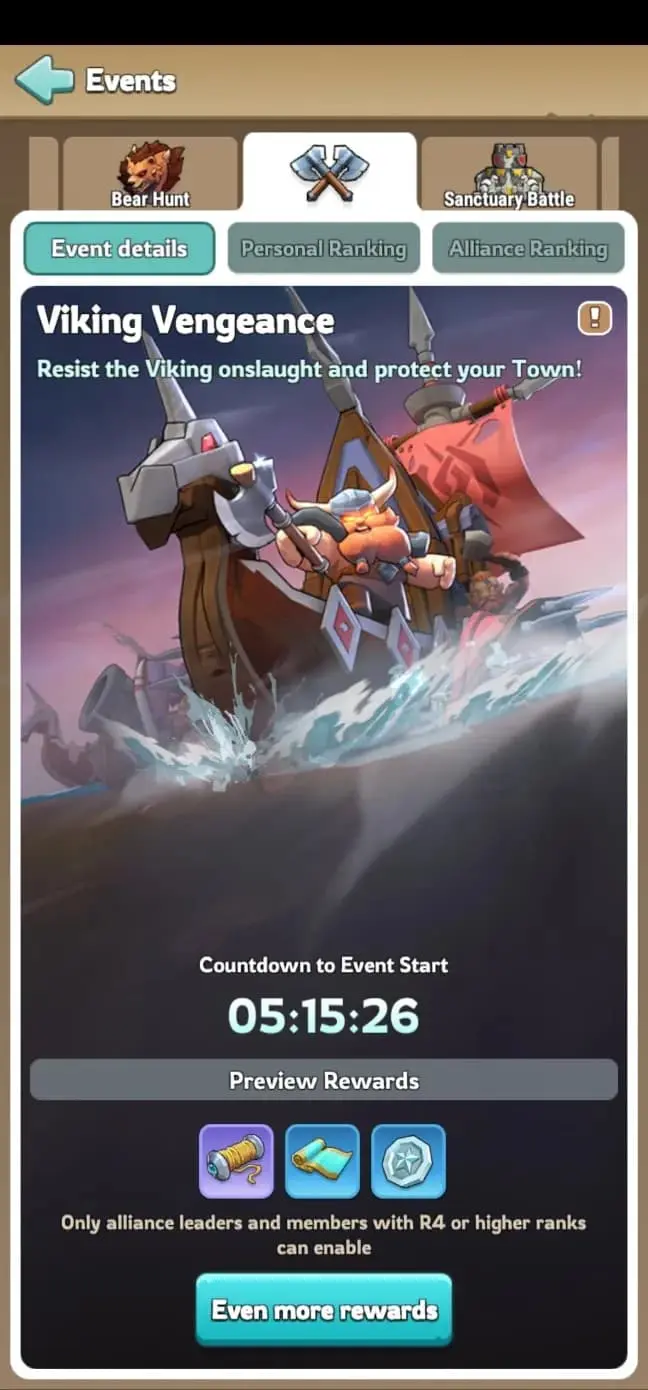
Once the event begins, Viking armies attack eligible alliance members through a sequence of 20 stages. Successful defenses generate points and allow members to continue progressing through the event.
The attack pattern is important because not every wave targets the same location:
| Wave | Target | Recommended Action |
|---|---|---|
| 1–6 | Alliance member cities | Maintain reinforcement exchanges and monitor weaker cities. |
| 7 | Online members | Concentrate available support on members who are actively online. |
| 8–9 | Alliance member cities | Resume normal reinforcement positioning. |
| 10 | Alliance HQ | Redirect an assigned march to the HQ after wave 9 finishes. |
| 11–13 | Alliance member cities | Return HQ defenders to normal reinforcement duties. |
| 14 | Online members | Prioritize active members again. |
| 15–16 | Alliance member cities | Continue reinforcement exchanges. |
| 17 | Online members | Strengthen online cities before the attack arrives. |
| 18–19 | Alliance member cities | Watch struggling players and prepare for the final HQ defense. |
| 20 | Alliance HQ | Send the designated HQ defense force for the final attack. |
If your alliance has both Wasteland and Plains Headquarters available, the Vikings target the higher-level Plains HQ. Event details can change between versions, so alliance leadership should still verify the current event screen before assigning defenders.
How Viking Vengeance Scoring Works
The scoring system is the main reason reinforcement coordination matters. You can earn points from Viking troops killed by your forces while those troops are reinforcing another alliance member. At the same time, your own city can be protected by troops sent by your allies.
This creates a better scoring opportunity than simply having everyone keep their armies at home. When members exchange reinforcements, troops are actively fighting in other players’ cities instead of sitting inside their owner’s city and competing with incoming reinforcements for kills.
Your own troops can still participate in your city’s defense, but keeping large numbers at home can reduce the number of kills available to the alliance members supporting you. A coordinated alliance therefore tries to move most usable troops out before the Vikings arrive.
Best Viking Vengeance Strategy
1. Put Your Strongest Heroes in the Guard Station
Before the event begins, check your Guard Station and assign your strongest suitable heroes. These heroes support the troops defending your city, including reinforcements sent by alliance members.
Do not automatically send every powerful hero away with your reinforcement marches. Your city’s Guard Station remains an important part of its defensive strength.
2. Exchange Troops With Alliance Members
The central strategy is simple: you reinforce other members while other members reinforce you.
Whenever your march capacity allows it, move your troops into allied cities rather than leaving the majority of your army at home. Players positioned close together can perform these exchanges faster and make last-minute redeployment easier.
Many alliances organize members into small reinforcement groups or pairs. This gives every participant clear destinations instead of forcing everyone to search for an open garrison after the event has already started.
Arrange reinforcement partners before the first wave. Players with similar strength and short march distances are easier to coordinate, while stronger members can be assigned to help cities that are struggling to survive later stages.
3. Prioritize Infantry and Cavalry When Emptying Your City
If you have more troops than your available marches can carry, prioritize moving Infantry and Cavalry out to reinforce other members. These troop types generally secure more Viking kills during regular waves, while Archers are usually a lower priority when march capacity is limited.
This also means that if some troops must remain in your city, leaving excess Archers behind is generally less disruptive than keeping large numbers of Infantry and Cavalry at home.
There is no single troop ratio that every alliance must use. Available troop tiers, event difficulty, march capacity, and player progression can all affect the ideal formation.
4. Use Suitable Heroes When Reinforcing
The hero leading a reinforcement march can matter. Offensive heroes commonly used as joiners in damage-focused alliance content can be useful because Viking Vengeance rewards killing attacking troops efficiently.
However, do not weaken your own Guard Station simply to send a slightly stronger reinforcement hero. Your three main defensive heroes should normally remain at home while your remaining heroes lead reinforcement marches.
Hero availability also depends heavily on server age and generation, so alliances should adapt their joiner choices to the heroes currently available in their kingdom rather than following one fixed list.
5. Do Not Heal Troops Without a Deployment Plan
Healing during Viking Vengeance can interfere with reinforcement coordination because healed troops return to your city. Those troops may then participate in the next city defense instead of remaining deployed elsewhere.
If you do heal during the event, make sure you can immediately send those recovered troops back to an allied city or the HQ. Otherwise, it is usually cleaner to delay healing until it becomes necessary.
Do not repeatedly heal troops just because the hospital contains wounded units. Returning troops can refill your city and reduce the scoring opportunity for alliance members reinforcing you.
How to Handle Waves 7, 14, and 17
Waves 7, 14, and 17 are different because Vikings attack online alliance members. These stages reward preparation and active communication.
Before each online-only wave:
- Confirm which members are currently online.
- Move reinforcements away from poor targets if better online targets need support.
- Strengthen members who struggled during earlier waves.
- Avoid concentrating excessive troops in one city while another active member has little support.
These waves are especially valuable opportunities for active players to accumulate points, so being online during Viking Vengeance provides a meaningful advantage.
How to Defend the Alliance HQ on Waves 10 and 20
Waves 10 and 20 do not attack individual member cities. The Viking army targets the Alliance Headquarters instead.
The safest approach is to prepare an HQ defense plan before the event begins. Alliance leadership can designate stronger members for the HQ while the rest continue protecting member cities.
Use the Recall-and-Redeploy Method
After wave 9 has completely finished, recall one suitable reinforcement march and send it to the Alliance HQ. Once wave 10 is defeated, return that march to its previous reinforcement target.
Repeat the same process after wave 19 for the final HQ attack at wave 20.
Avoid recalling troops before waves 9 or 19 actually finish. Leaving an allied city too early can cost both defensive strength and reinforcement scoring.
Do Not Overfill the HQ With Unplanned Marches
HQ capacity is limited, making coordination more important than simply having every member send the largest march possible. Alliance leadership should decide who will reinforce and how much each participant should send so stronger troops are not blocked by unplanned deployments.
Later HQ waves are more demanding than the early stages. Troop composition may need to change at higher event difficulty, so avoid treating one fixed formation as universally optimal.
What Happens If You Fail a Defense?
A city that fails to defend successfully twice will stop receiving additional Viking attacks during that event run. This does not mean the player has to stop participating completely.
You can still send surviving troops to reinforce other alliance members and contribute points through those battles. If a member is approaching a second failure, stronger players should consider reinforcing that city before the next attack.
Best Alliance Coordination Setup
Viking Vengeance strongly rewards organization. An alliance with clearly assigned reinforcement partners can outperform a disorganized group even when individual player strength is similar.
A practical setup includes:
- Reinforcement groups: Pair or group nearby members so everyone knows where to send troops.
- Online tracking: Know which members will be active for waves 7, 14, and 17.
- HQ assignments: Decide who handles waves 10 and 20 before the event starts.
- Battle report monitoring: Watch for players who are beginning to struggle.
- Fast communication: Share coordinates when additional reinforcements are needed.
- Balanced coverage: Avoid filling one strong city while weaker participants receive no support.
Choosing Viking Vengeance Difficulty
Higher Viking Vengeance difficulties bring stronger attackers. Selecting the highest available option is not automatically the best strategy if your alliance cannot reliably defend its members through the later waves.
Leadership should consider troop strength, hero development, member participation, reinforcement capacity, and previous event performance when choosing a difficulty. A level that the alliance can clear consistently is generally more useful than one that causes large numbers of players to suffer two early defensive failures.
Exact difficulty options and requirements can vary with progression and future game updates.
Common Viking Vengeance Mistakes
- Keeping most troops at home: This reduces opportunities to score through reinforcement kills.
- Sending your best Guard Station heroes away: Your own city still needs strong garrison bonuses.
- Healing without redeploying: Healed troops return home and may compete with reinforcements for kills.
- Ignoring online-only waves: Waves 7, 14, and 17 require active members to be reinforced properly.
- Recalling before wave 9 or 19 ends: This can leave an allied city weaker before the HQ transition.
- Overfilling one city: Spread reinforcement strength across the alliance.
- Ignoring weaker members: A well-timed reinforcement can prevent their second failure.
- Choosing difficulty purely for prestige: Reliable completion matters more than selecting a level the alliance cannot handle.
Viking Vengeance Rewards
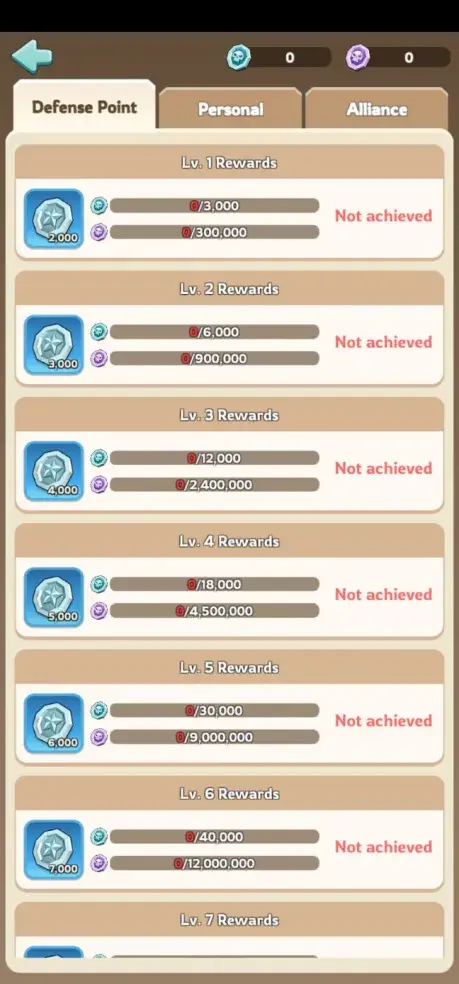
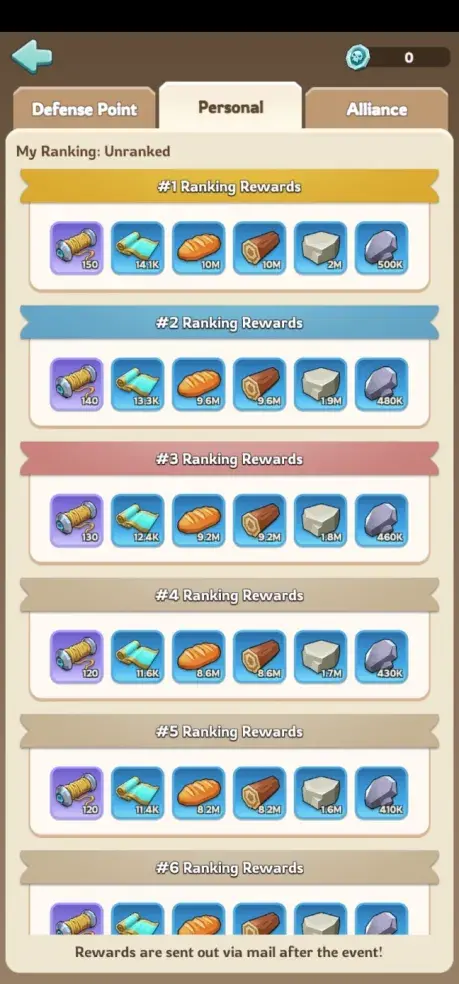
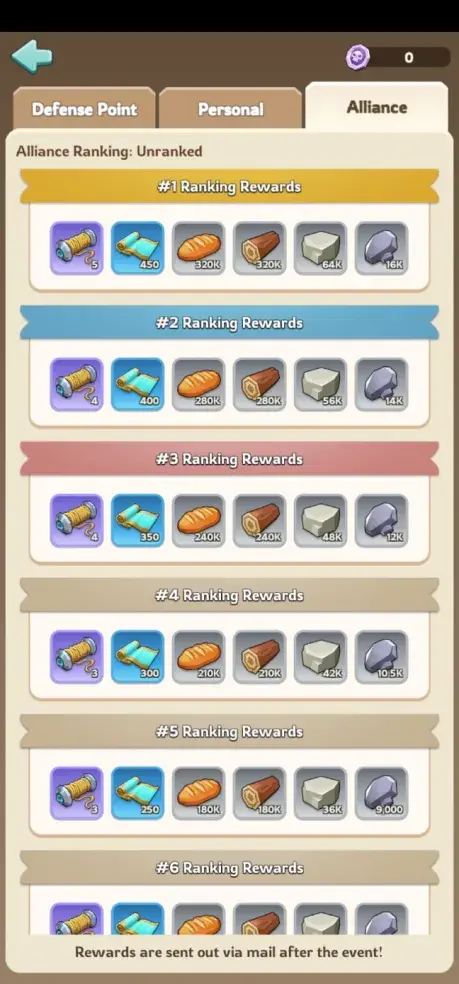
Progressing through Viking Vengeance provides event rewards that include Alliance Coins and materials related to Lord Equipment. Better performance therefore benefits both individual progression and the alliance as a whole.
Because scoring depends heavily on developed troops, heroes, research, equipment, and deployment capacity, account progression can significantly affect how much support a player can provide. Players who would rather begin with an already-developed profile can also browse Kingshot accounts for sale while comparing available progression levels and account features.
FAQs
How many waves are in Kingshot Viking Vengeance?
Viking Vengeance contains 20 stages of attacks, including normal city waves, online-only waves, and two Alliance HQ attacks.
Which Viking Vengeance waves only attack online players?
Waves 7, 14, and 17 target online alliance members. Being active during these stages gives your alliance more opportunities to defend participating cities and score points.
Which waves attack the Alliance HQ?
Waves 10 and 20 target the Alliance Headquarters. Prepare an assigned HQ defense team and move the required marches only after the preceding city wave has finished.
Should I keep my troops inside my city?
Usually, no. Moving most available troops into allied cities allows you to earn reinforcement points while alliance members defend your city in return. If you cannot send everything, prioritize deploying your most useful killing troops.
Should I heal troops during Viking Vengeance?
Avoid unnecessary healing because recovered troops return to your city. If you heal, redeploy those troops promptly so they do not interfere with your reinforcement setup.
What happens after two failed defenses?
After two defensive failures, your city stops receiving additional Viking attacks. You can still reinforce alliance members and continue contributing through battles in their cities.
What are the best heroes for Viking Vengeance?
Keep your strongest suitable heroes in the Guard Station and use remaining offensive heroes to lead reinforcement marches. The best individual choices depend on which hero generations are currently available on your server.
Can offline players participate in Viking Vengeance?
Yes. Normal city waves can still attack participating members who are offline, but waves 7, 14, and 17 specifically target online members. An offline player can also send reinforcements before leaving if their deployment remains in place.
Conclusion
The best Kingshot Viking Vengeance strategy is built around alliance coordination rather than individual defense. Keep strong heroes in your Guard Station, exchange troops with nearby members, prioritize useful reinforcement troops, avoid unnecessary healing, and prepare in advance for waves 7, 10, 14, 17, and 20.
Most importantly, treat Viking Vengeance as an alliance-wide scoring event. Well-organized reinforcement groups can keep weaker cities alive while allowing stronger players to earn points across several defended locations. For more event strategies, hero information, and progression advice, explore our additional Kingshot guides.