
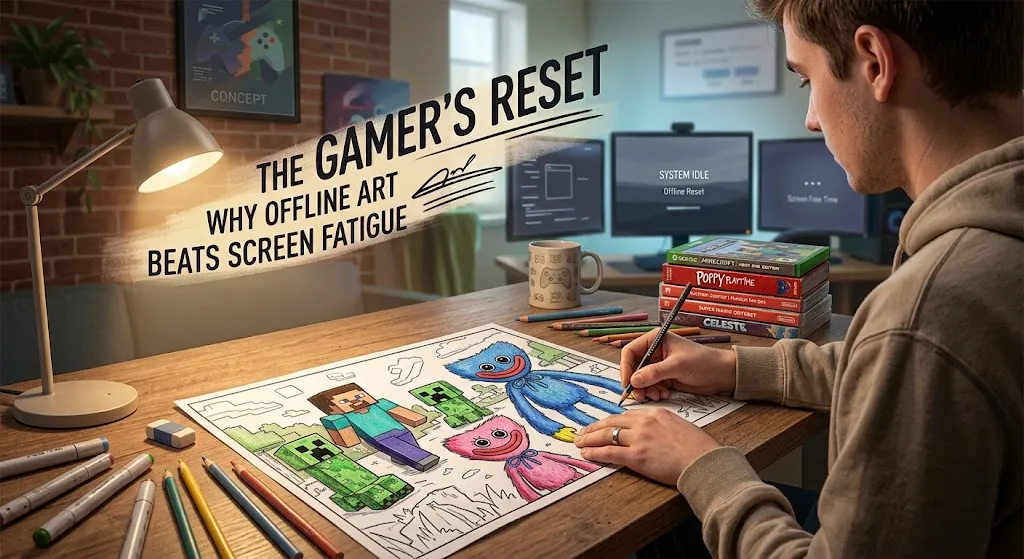
High-tier competitive gaming demands relentless sensory engagement. Orchestrating cross-server wars in Rise of Kingdoms, coordinating territorial defense in Whiteout Survival, or managing high-stakes full-loot zones in Albion Online pushes cognitive endurance to its limit. Every session requires thousands of micro-decisions, rapid visual tracking across busy user interfaces, and constant communication under pressure.
When fatigue inevitably sets in, most players turn to the wrong remedies. Stepping away from a PC or tablet only to scroll through social feeds, watch gameplay clips, or browse forums keeps the brain trapped in the exact same loop of rapid dopamine spikes and blue-light overstimulation. True recovery requires an active cognitive reset that completely uncouples the mind from digital displays without abandoning the gaming universes players love.
The Science of the Screen Reset
Digital fatigue is not simply physical eye strain; it is cognitive saturation. Hours of high-stakes play keep the sympathetic nervous system on high alert, elevating cortisol levels and narrowing attention spans. Passive rest often fails because an idle, adrenaline-primed brain tends to fixate on the very match, raid, or ranking just left behind.
Tactile, low-stakes activities break this cycle. Engaging in physical art—specifically structured coloring—activates motor control, spatial reasoning, and visual creativity without demanding rapid reaction times or punishing mistakes. The rhythmic, repetitive motion of filling line art acts as a grounding mechanism. It downshifts the brain from high-frequency beta waves associated with stress and competitive urgency to alpha waves linked to relaxed, focused awareness.
Coloring allows the mind to enter a flow state that mimics the immersive satisfaction of gaming, but without the adrenaline, flashing pixels, or win/loss stakes.
Bringing Digital Fandom into the Physical World
Stepping away from screens does not mean severing ties with gaming culture. For dedicated players, gaming lore, aesthetic styling, and character design are central interests. Physical art media bridges the gap between active fandom and restful downtime.
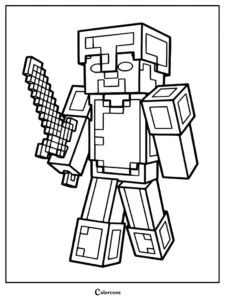
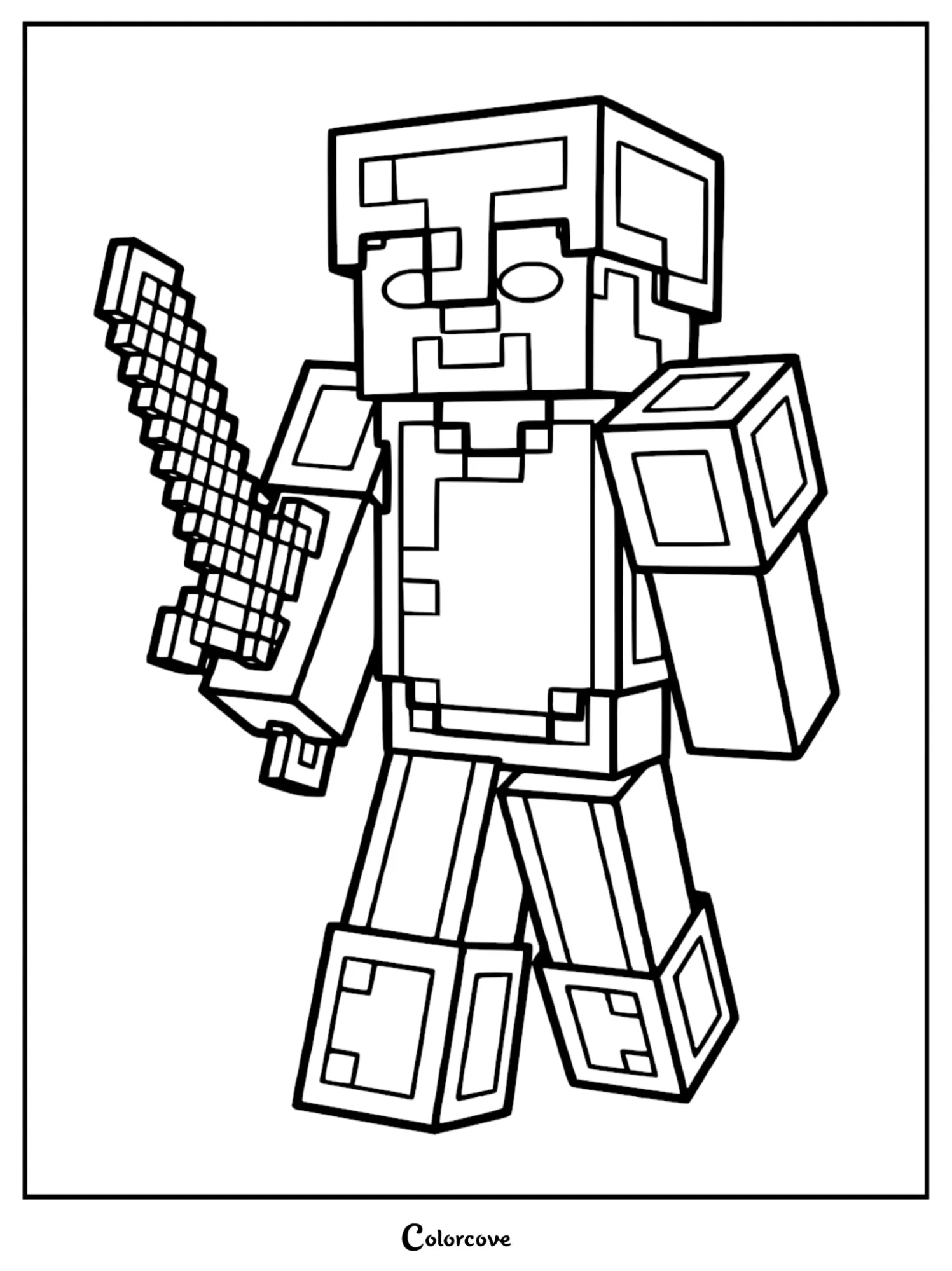
- Translating Sandbox Mechanics to Paper: Gamers who spend hours plotting spatial layouts, resource grids, and base architecture naturally gravitate toward structured design. Working offline with Minecraft coloring pages offers a physical extension of in-game building mechanics, allowing players to experiment with color theory, geometry, and environment design on paper.
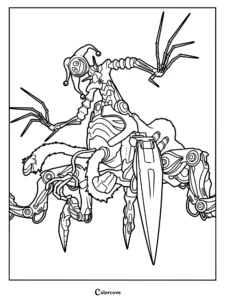
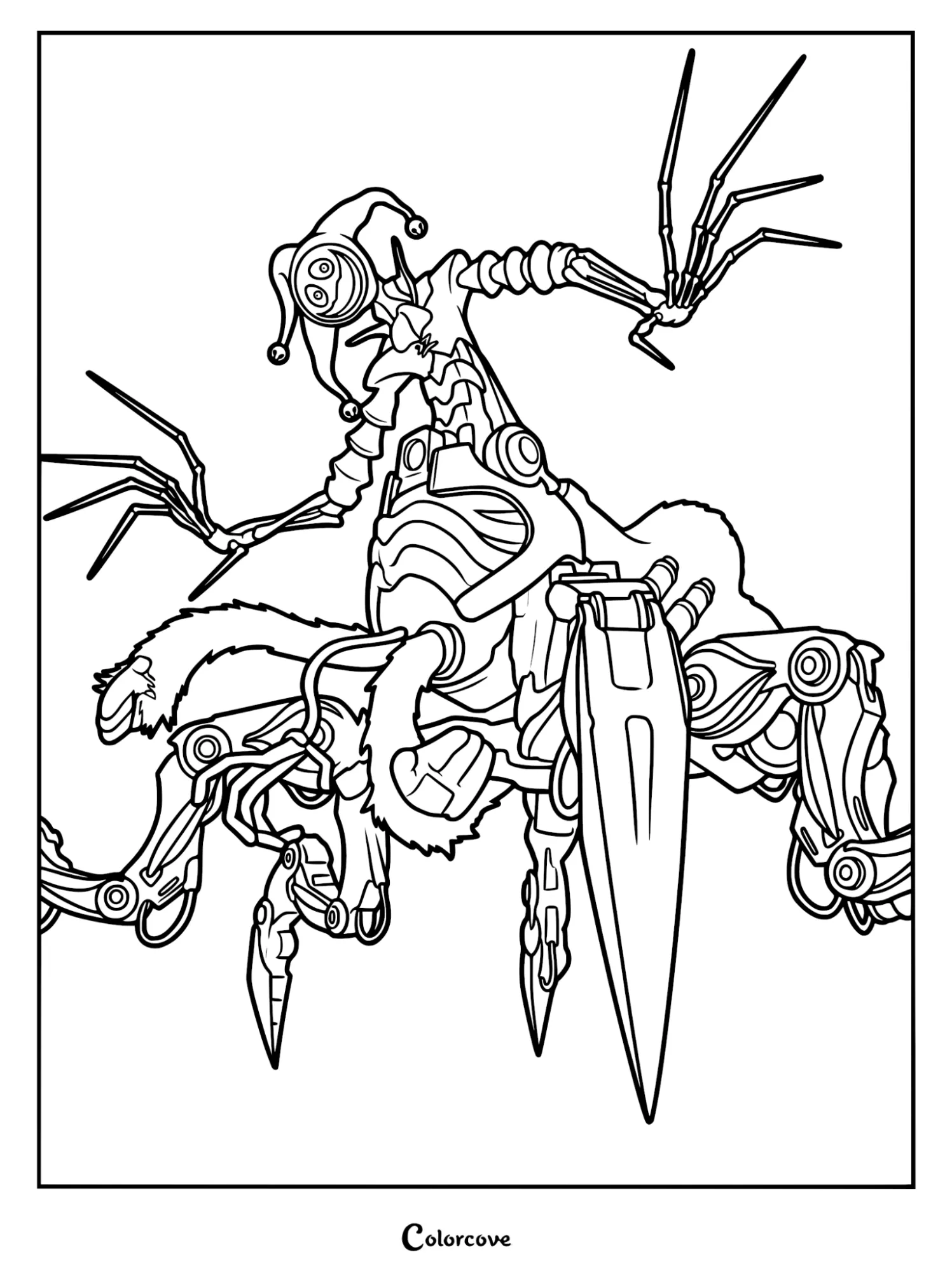
- Deconstructing Indie Aesthetics: Viral indie titles often feature intense, stylized character silhouettes that look striking on paper. Channeling the suspense of survival-horror franchises through Poppy Playtime coloring pages lets players engage with modern gaming lore in a tactile, pressure-free format where mistakes can simply be colored over.
- Rotating Daily Creative Sessions: Maintaining an accessible library of offline materials keeps the habit frictionless. Sourcing projects from dedicated video game coloring collections ensures players have an immediate, analog alternative ready whenever matchmaking queues stretch long or post-raid mental exhaustion sets in.
Smarter Downtime, Sharper Performance
Long-term success in strategy games and MMORPGs is fundamentally an efficiency problem. Dedicated players frequently buy verified, endgame-ready accounts precisely to bypass unproductive early-game grinding, focusing their limited free hours strictly on meaningful alliance battles and high-yield events.
Applying that same optimization mindset to personal downtime yields significant competitive dividends. When players trade late-night doomscrolling for structured, analog recovery, they reduce sleep latency, clear brain fog, and restore hand-eye coordination. Deliberate offline habits ensure that when it is time to log back into a competitive account, decision-making remains precise, calm, and executed at peak performance.